Date: 14th March 2026
Educational trips play a vital role in enhancing students’ learning by providing practical exposure beyond the classroom. They help students connect theoretical knowledge with real-life experiences, develop observational skills, and gain a deeper understanding of history, culture, and the environment.
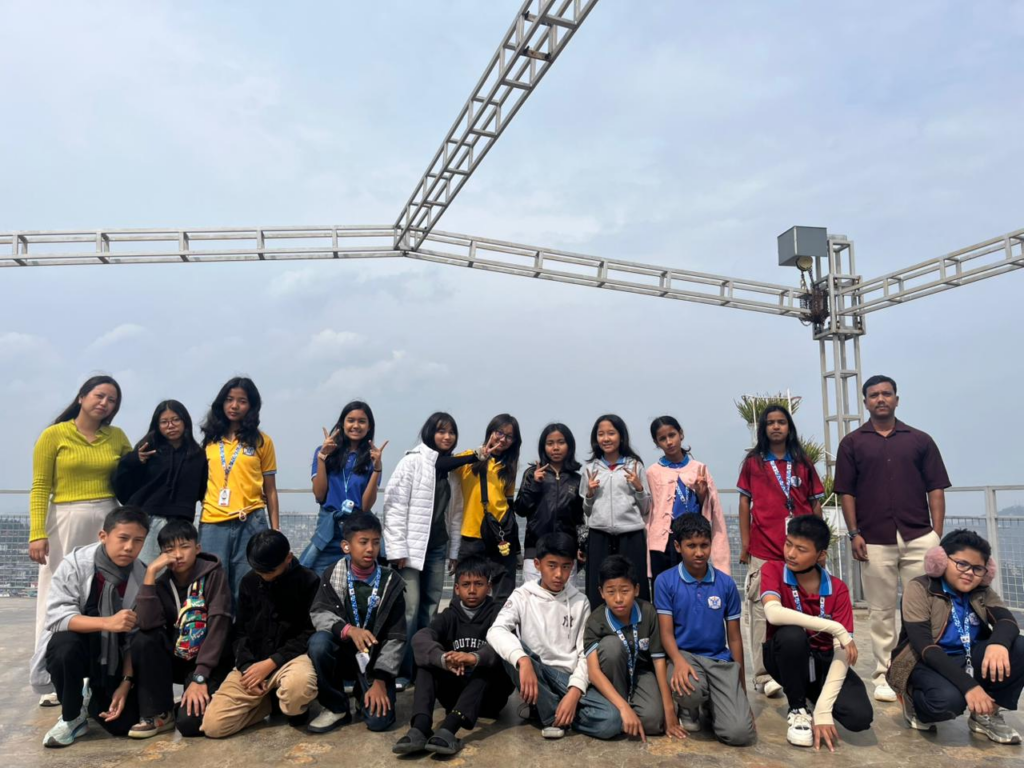
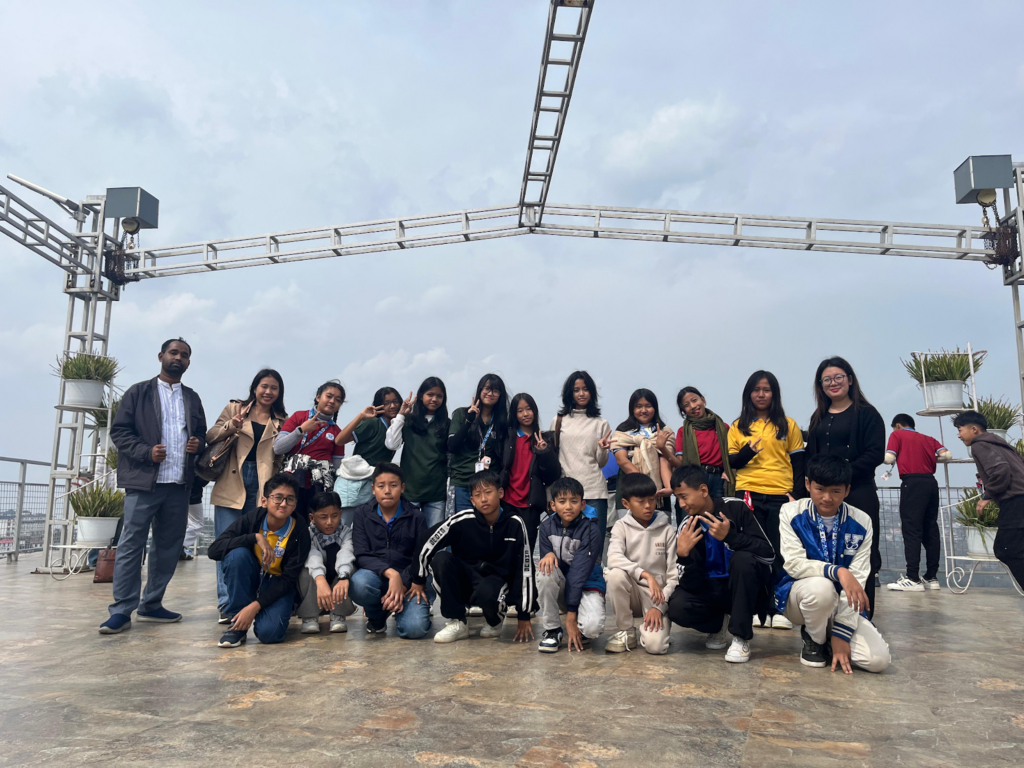
The students of Class 7, accompanied by five teachers, went on an educational trip to Kohima. A total of 36 students participated in the trip, which aimed to provide them with an enriching learning experience beyond the classroom by allowing them to explore historical, cultural, and environmental sites.
The journey began at 8:00 a.m. from the school campus with great excitement among the students. On the way, the group halted at Piphema for breakfast. After a refreshing break, the journey continued towards Kohima. The students visited three significant places during the trip: the Cathedral Church, the Eco Park, and the War Cemetery.
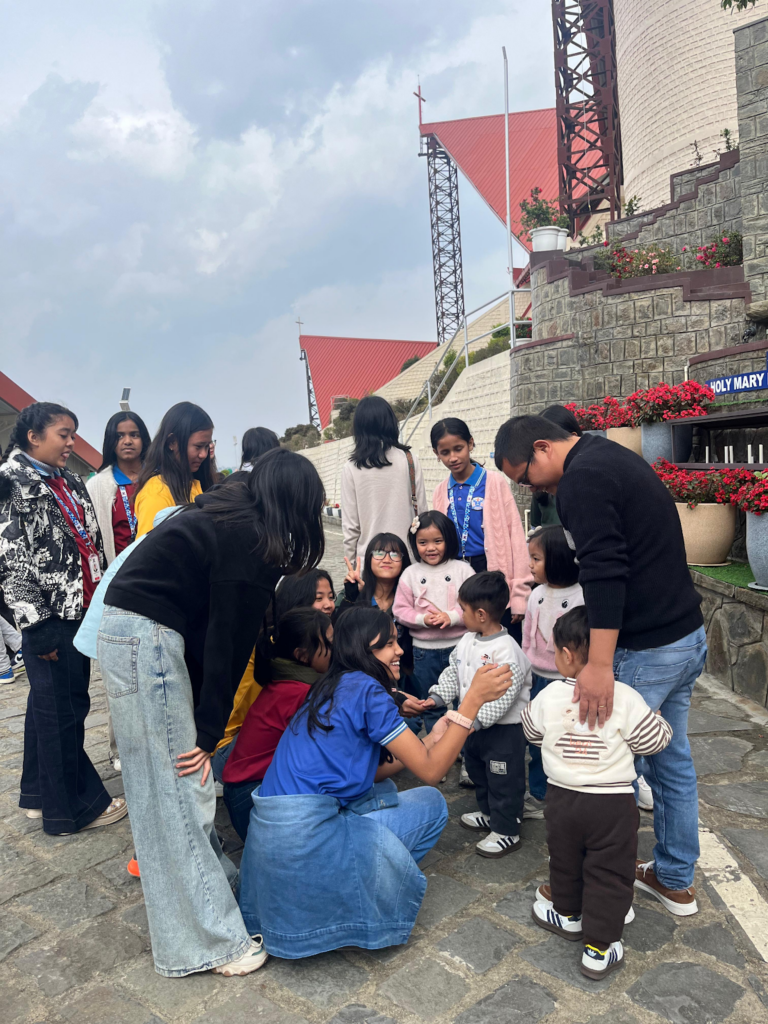
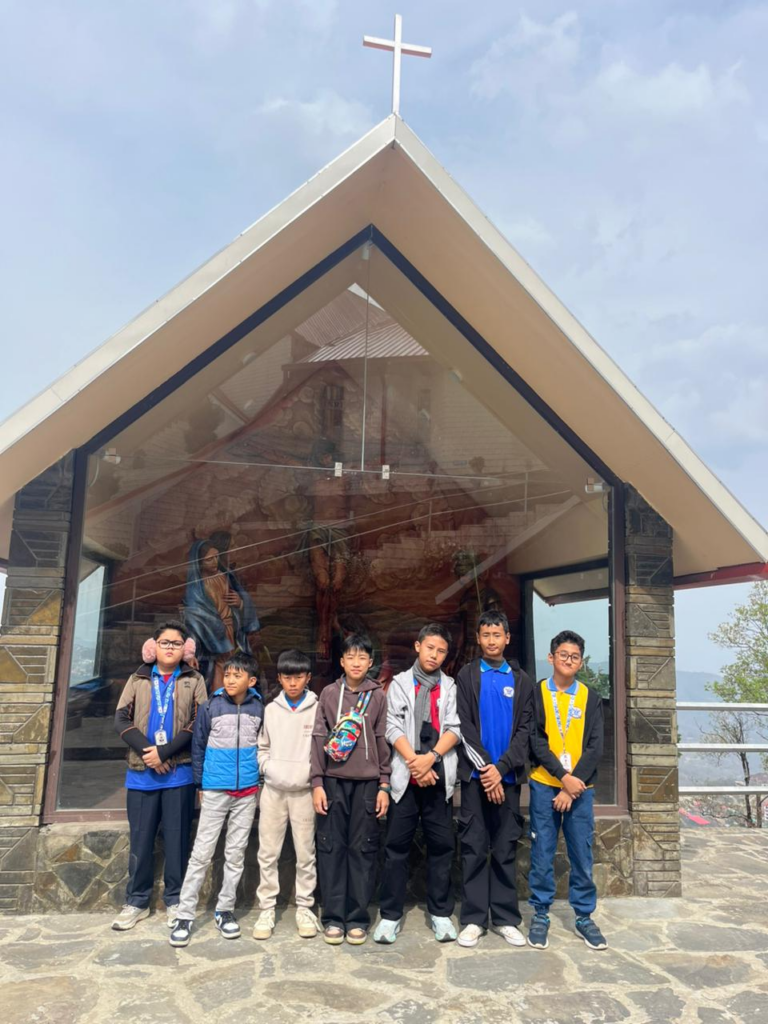
The first destination was the Cathedral Church, which left a lasting impression on everyone. The students were amazed by the beauty and peaceful atmosphere of the church. They carefully observed the intricate sculptures and artistic depictions inspired by excerpts from the Bible. The visit also sparked curiosity among the students regarding different Christian denominations. During the interaction, one student asked whether Catholics are also Christians, leading to a thoughtful discussion where another student explained that Catholics are indeed Christians and that they also show reverence to Mother Mary. The students were especially fascinated by the confession room, as many of them had previously seen it only in videos and movies.
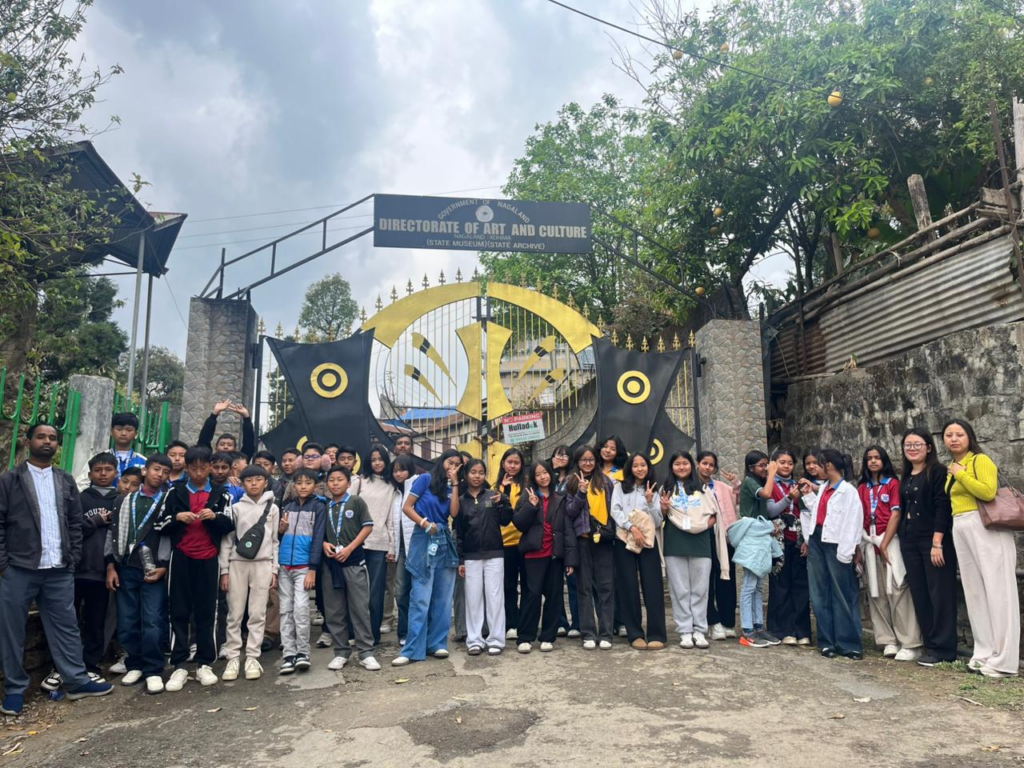
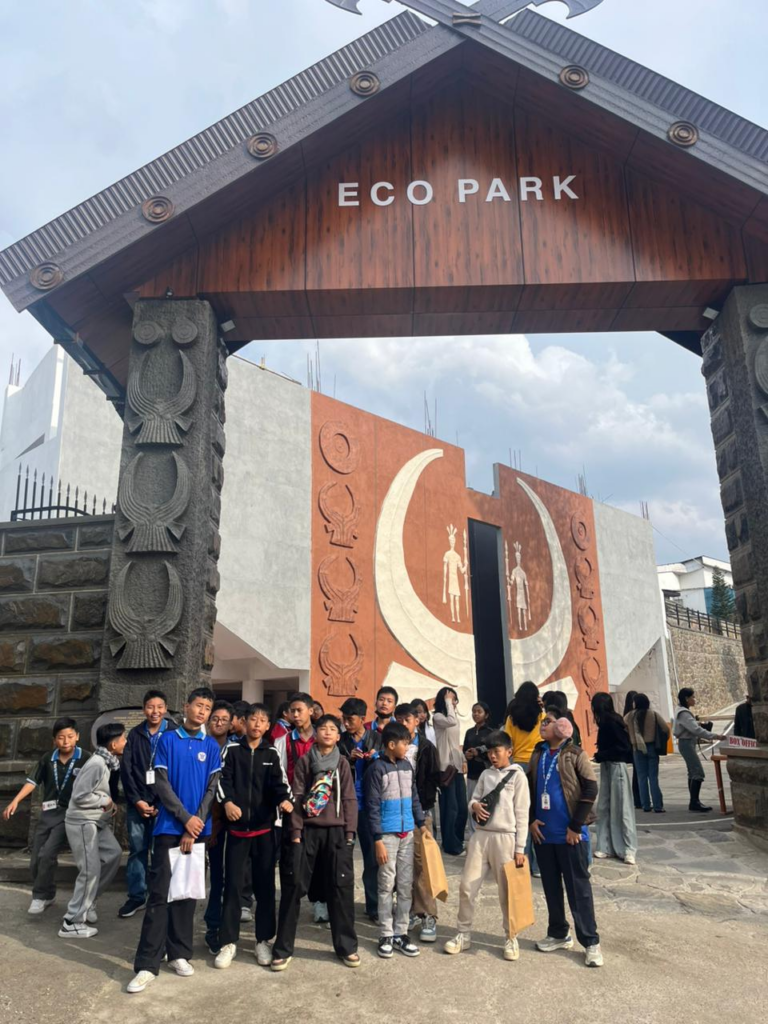
Following this, the group visited the Eco Park. Kohima Eco Park is known for its scenic beauty and its role in preserving the natural environment while also highlighting historical elements from the past. The park houses small museum sections that display items used during World War II by Japanese soldiers. These included guns, water bottles, cooking pots, and medicine containers, offering students a glimpse into the daily lives and hardships faced by soldiers during the war. These artifacts help visitors understand the historical significance of Kohima as a major site during the war. The students were particularly fascinated to see how these items had been carefully preserved for so many years, allowing present generations to learn from the past. Photography and videography were not permitted inside the museum; however, the students observed the exhibits with great interest and curiosity. After exploring the museum, the students spent time in the park enjoying the surroundings, taking photographs, and appreciating the natural landscape. The visit allowed them to connect both with nature and history, making the experience both informative and memorable.
Since the War Cemetery was located nearby, the group chose to walk to the site. This allowed the students to observe the surroundings more closely and experience the local environment. At the War Cemetery, students spent time learning about its historical significance. They were informed that the cemetery commemorates the soldiers who lost their lives during World War II, particularly in the Battle of Kohima. The peaceful and well-maintained surroundings encouraged students to reflect on the sacrifices made by the soldiers. The group spent around 30 minutes at the site. After completing the visit, the group began the return journey and stopped again at Piphema for lunch before continuing back.
Overall, the trip was a meaningful and enriching experience for the students. It provided them with valuable knowledge about history, culture, and the environment, while also encouraging curiosity, observation, and interaction outside the classroom.